What I've done:
I reached out to two out of three of my sources. I think I am on the right track for this story and I feel like this is an interesting story because it is something a lot of people have talked about in the sports world but never truly expanded on it with research and data, it was kind of just a well known fact. An interesting piece of research I found is that the big 3 (Federer, Nadal, and Djokovic) have almost 1,000 weeks combined as world number one.
What I need to do:
Reach out to my other source and get good quotes for the story. Expand on finding more data, and I feel like I need help on putting everything together in a way where people who don't care about tennis, or sports can find interesting and still be invested in the story regardless.
Reflection 3/16:
The part of the comics that resonated with me the most was how homelessness and incarceration are very often treated as problems that can be solved through simple punishment or removal versus addressing the underlying causes for it. In the "public camping" comic, the panels show the Supreme Court decision allowing cites to criminalize sleeping outside and it highlighted how difficult unhoused people have it and what they need to do for survival. The comic also emphasized how policies may not solve homelessness, but instead push people further into more unstable situations.
In mainstream media unsheltered people are often portrayed in very limited ways. For example many news stories focus on crime, public safety, or the impact of homelessness on neighborhoods and communities and all this does is project/ scapegoat unhoused individuals as these problems, but not truly understanding what factors in the economy make things like this be a reality.
A comic like this could have an important impact on public perception because it presents complex social issues in a way that is easy to understand and emotionally engaging. The visuals help readers see the human side of policies that might otherwise seem abstract. Comics also allow journalists to combine data, quotes, and storytelling in a way that can reach audiences who might not read a traditional policy article because a comic is simply more appealing visually.
Also I think reporting should include the perspectives of people experiencing homelessness themselves, along with accurate data and context about housing shortages, public policy, and social services. Instead of focusing only on conflicts or visible problems, I feel like journalists could highlight the systemic factors that contribute to homelessness and the solutions may be currently being attempted.
Blog Reflection 4/27:
I think my project is going well. About to get my interviews done and I'm fortunate that I have good sources who understand my topic very well. I also don't feel insanely lost in class which is nice and I'm happy I get to do my project on something I genuinely care about and something that I think is pretty cool if you really think about it. Even though its just tennis at the end of the day.
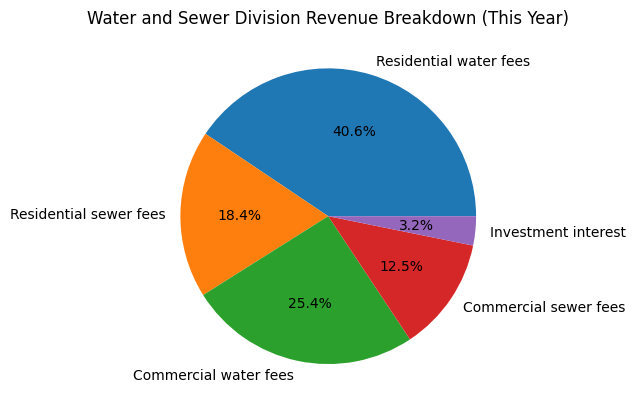
I also liked the aspects in class when we worked on making charts and plugging in data on excel because I feel like my story is heavily driven on statistics because when it comes to sports I feel like stats do a lot of the talking. I think the abilities I learned in that could be useful in many different professions and scenarios involved in them.
Sample Chart 3/25
Sample Map